
High Court Defends Pension Rights, Overrules GPF Deduction Lapse
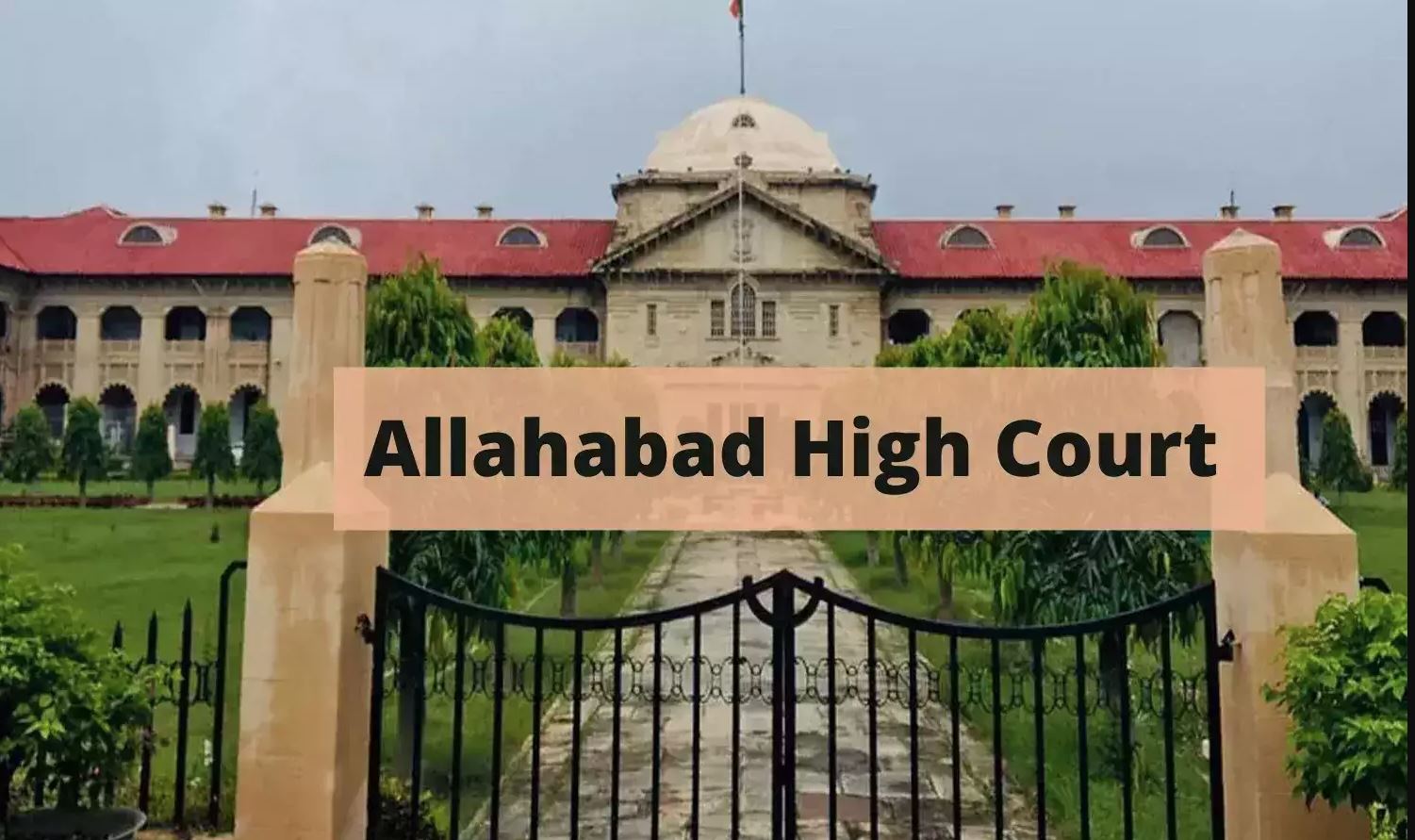
The Allahabad High Court ruled that an employee cannot be denied pension due to the employer’s fault in not allotting a General Provident Fund (GPF) number. Justice Subhash Vidyarthi emphasized that GPF deductions are not a prerequisite for pension eligibility and that the petitioner was not responsible for the non-deduction of his contributions.
The petitioner, an Assistant teacher appointed in 2004, faced salary payment issues initially resolved by the High Court. However, no GPF deductions were made until 2022, when the petitioner was close to retirement. The petitioner retired on March 31, 2023, but did not receive his pension, leading him to approach the High Court again.
The Court noted that a government order from 1978 provided pension rights to permanent, full-time teachers in state-aided institutions similar to government school teachers, even if no GPF deductions were made. It highlighted that GPF deduction is not a condition for pension eligibility under Rule 6 of the U.P. General Provident Fund, Insurance, and Pension Scheme Rules.
The Court further stated that since the petitioner was not responsible for the absence of GPF deductions, he should not suffer for the employer’s oversight. Consequently, the Court allowed the petition and directed payment of pension arrears to the petitioner.
Hindi Version
इलाहाबाद उच्च न्यायालय ने फैसला सुनाया है कि यदि नियोक्ता की गलती के कारण कर्मचारी को सामान्य भविष्य निधि (GPF) नंबर आवंटित नहीं किया गया, तो उसे पेंशन से वंचित नहीं किया जा सकता है। न्यायमूर्ति सुभाष विद्यार्थी ने इस बात पर जोर दिया कि GPF कटौती पेंशन के लिए पात्रता की पूर्व शर्त नहीं है और याचिकाकर्ता GPF योगदान की कटौती न होने के लिए जिम्मेदार नहीं था।
याचिकाकर्ता, जो 2004 में नियुक्त एक सहायक शिक्षक थे, को शुरू में वेतन भुगतान संबंधी समस्याओं का सामना करना पड़ा था, जिसे उच्च न्यायालय ने हल कर दिया था। हालांकि, 2022 तक कोई GPF कटौती नहीं की गई थी, जब याचिकाकर्ता सेवानिवृत्ति के करीब थे। याचिकाकर्ता 31 मार्च, 2023 को सेवानिवृत्त हुए, लेकिन उन्हें पेंशन नहीं मिली, जिससे वे पुनः उच्च न्यायालय पहुंचे।
अदालत ने यह देखा कि 1978 के एक सरकारी आदेश में राज्य द्वारा सहायता प्राप्त संस्थानों के स्थायी, पूर्णकालिक शिक्षकों को सरकारी स्कूलों के शिक्षकों के समान पेंशन अधिकार प्रदान किए गए थे, भले ही कोई GPF कटौती न की गई हो। अदालत ने यह भी बताया कि GPF कटौती U.P. सामान्य भविष्य निधि, बीमा, और पेंशन योजना नियमावली के नियम 6 के तहत पेंशन के लिए पात्रता की शर्त नहीं है।
अदालत ने आगे कहा कि चूंकि याचिकाकर्ता GPF कटौती की अनुपस्थिति के लिए जिम्मेदार नहीं थे, उन्हें नियोक्ता की लापरवाही के कारण पीड़ित नहीं होना चाहिए। नतीजतन, अदालत ने याचिका को स्वीकार किया और याचिकाकर्ता को पेंशन के बकाया भुगतान का निर्देश दिया।
Read the full story on LiveLaw.in
📢 Stay Updated with GConnect
Join our Whatsapp channels for the latest news and job updates:
Join GConnect News Join GConnect Jobs
GConnect News

GConnect Jobs